Best Fat Grafting Surgeon
What Makes a Fat Grafting Surgeon
A fat grafting surgeon, on this account, is defined by the harvest and by what happens to the fat before it is returned, not by a ranking. The first factor is VASER. Ultrasound is used so the fat can be suctioned without the piercing that traditional liposuction is said to cause. Traditional liposuction is reported here to kill up to 50 percent of the cells during removal. VASER is the harvest that is paired with a closed loop.

Photo legend
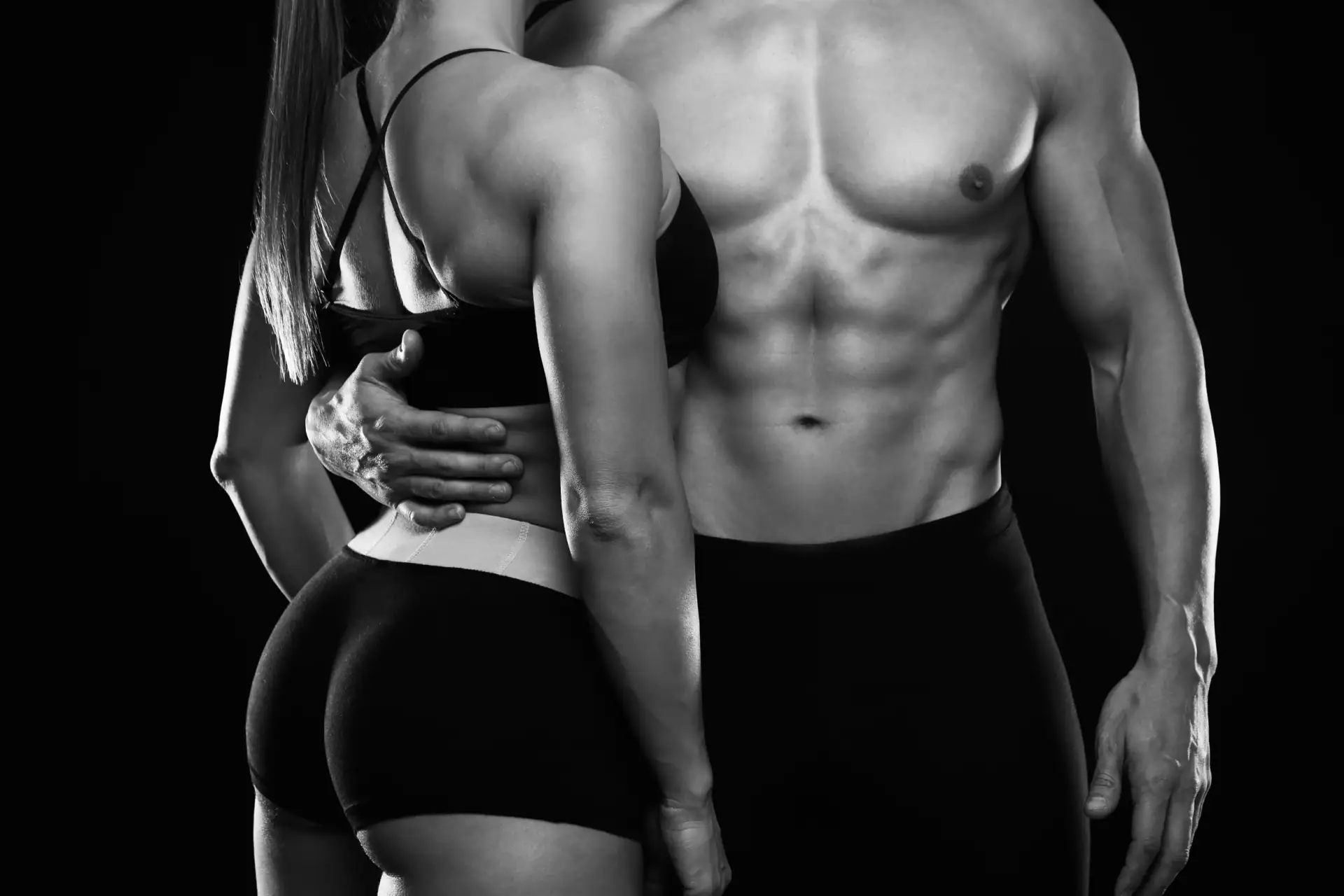
35-year-old female patient who was already fit and wanted more shape to her butt with a fat grafting procedure.
The patient in the opening photographs was 35, already fit, and wanted more shape in the buttock. The graft was the operation chosen for that shape. The photographs record that case. They are not a catalog of every area a graft can reach.
The Closed Loop and Time out of the Body
The closed loop is how a fat grafting surgeon protects fat cell viability. Out-of-body time is the delay after the cells have been detached and before they have a blood supply again. During that delay the cells are described as suffocating. A longer delay means more cell death and less volume that lasts. The closed loop shortens the processing time, which is how the out-of-body time is cut. The fat stays in the sterile path from the harvest canister to the recipient site. It is not parked in an open bowl while the team changes syringes.
The second advantage is how the fat is put back. Older autologous transfer filled syringes by hand and then injected them. Each of those syringes is an aliquot, a separated portion that has left the closed path. The closed loop returns the fat through a continuous run of sterile tubing, so the cells are not poured into an aliquot at all. Fewer open transfers is the reason given for a lower risk of contamination. An infected graft is described as a loss of the entire volume and as a possible serious illness, so that step is not optional. The infection risk is why the tubing stays sterile and why the fat is not handled in the open.
A fat grafting surgeon still has to decide how much to move and where it will sit. The harvest is limited by the fat the patient actually has. A patient who is already fit, like the 35-year-old in the photographs, may have less donor fat than someone who came for debulking, so the plan is shape rather than a large volume. The abdomen, the back, and the thighs are the donor sites named most often. The recipient is chosen from the drawings, not from a default size. Projection and width are separate choices on the Buttock Assessment Tool. A patient can want more projection with the same width, or more width with a modest projection. Treating those as one dial is how a buttock ends up the wrong shape even when the cells survive.
The harvest cannula is the liposuction instrument. VASER is what separates the fat before that cannula aspirates it, which is the reason given for less tearing of the cells than a traditional pass.
Shape, Width, and Where the Fat Goes
The other requirement is that the result match the shape the patient asked for. The Buttock Assessment Tool is a set of drawings that vary in size and shape. Patients select a buttock projection and a buttock width. The fat grafting surgeon then has a specific target, not a guess. Retention is part of the same claim. The fear named here is that 40 percent of a fat graft will disappear later. This account's position is that the volume present after this method is the volume that stays. High viability alone is not called enough. The plan still has to follow the anatomy of the patient in front of the surgeon, including the differences between a feminine and a masculine outline.
The graft for the buttock stays in the subcutaneous tissue over the glute. It is not placed in the muscle. The buttock and the lateral hip are the areas most often grafted, and together they are the Brazilian butt lift on this account. Fat can also be moved to the breast when the goal is a larger breast without an implant, and to the face when the goal is volume that outlasts a temporary filler. Any soft-tissue hollow that has lost volume is named as a possible recipient. The plane, the closed loop, and the assessment drawings stay the same ideas.
The consultation is where those choices get specific. The patient looks at the drawings and points at projection and at width as two decisions. A rounder buttock is not the same request as a wider one, and a wider hip is not the same request as a larger buttock. The donor fat has to cover the choice. If the patient is already lean, the surgeon says so, and the plan stays inside the fat that can be harvested from the abdomen, the back, or the thighs. Promising a size the donor sites cannot supply is how a graft disappoints even when every cell survives.
Once the fat is in the subcutaneous plane, it has to acquire blood supply again. That is the same reason out-of-body time was shortened. Cells that were handled through open syringes, or left sitting while the team refilled an aliquot, are the cells this account expects to die first. The closed loop is meant to skip that wait. It does not change the plane, and it does not change the drawing the patient picked. It changes only the handling between harvest and placement.
Infection is the failure that throws the volume away. The account treats a contaminated graft as a loss of all of the transferred fat, and as a possible serious illness, not as a small lump that can be ignored. That is why the tubing is sterile, why the fat is not poured into an open cup, and why a separate syringe is avoided. Breast grafting uses the same handling when the patient wants volume without an implant. Facial grafting uses it when the patient wants a change that lasts longer than a filler. The buttock remains the operation the photographs show.
Gender anatomy still decides the outline. A feminine plan usually pairs a narrower waist with a fuller lateral hip and a chosen buttock projection. A masculine plan does not borrow that hourglass. The drawings exist so the patient can see the difference before any fat is moved. Experience is the ability to keep the graft inside the chosen drawing and inside the subcutaneous layer over the glute, with the closed loop doing the transfer. A title does not do that work. The harvest, the loop, and the drawing do.
The American Society of Plastic Surgeons describes a Brazilian butt lift as transferred fat used to change buttock shape. That sentence is the definition. The 50 percent figure and the 40 percent fear belong to this account, and they are not printed on that society page.

Photo legend
The service designations for this patient include BBL + Fat Transfer and Best Fat Grafting Surgeon. 35-year-old female patient who was already fit and wanted more shape to her butt with a fat grafting procedure.
The fee is not restated here. Contour plans that include the graft are on the fat transfer page, and the cities are on the liposuction locations page. Buttock augmentation cost is listed on its own page.
Frequently Asked Questions
Ultrasound separates the fat before it is suctioned. Traditional liposuction is reported here to kill up to 50 percent of the cells by piercing them. The closed loop then limits how long the surviving cells stay outside the body.
It shortens processing time, returns the fat through sterile tubing instead of hand-filled syringes, and reduces open transfers that can contaminate the graft. An infected graft is treated as a loss of the volume.
The Buttock Assessment Tool offers drawings that differ in projection and in width. The fat grafting surgeon uses that choice as the target and keeps the graft subcutaneous, over the glute.
The buttock and lateral hip are the common pair. The breast is the graft used when an implant is not wanted. The face is the graft used when a filler would be temporary.
The fear named here is a 40 percent loss over time. This method is described as leaving the final volume in place, provided the harvest and the closed loop were the ones just outlined.
Related reading
Continue with guides on this topic, or jump to a procedure, cost, or location page.
Source: /best-fat-grafting-surgeon/