
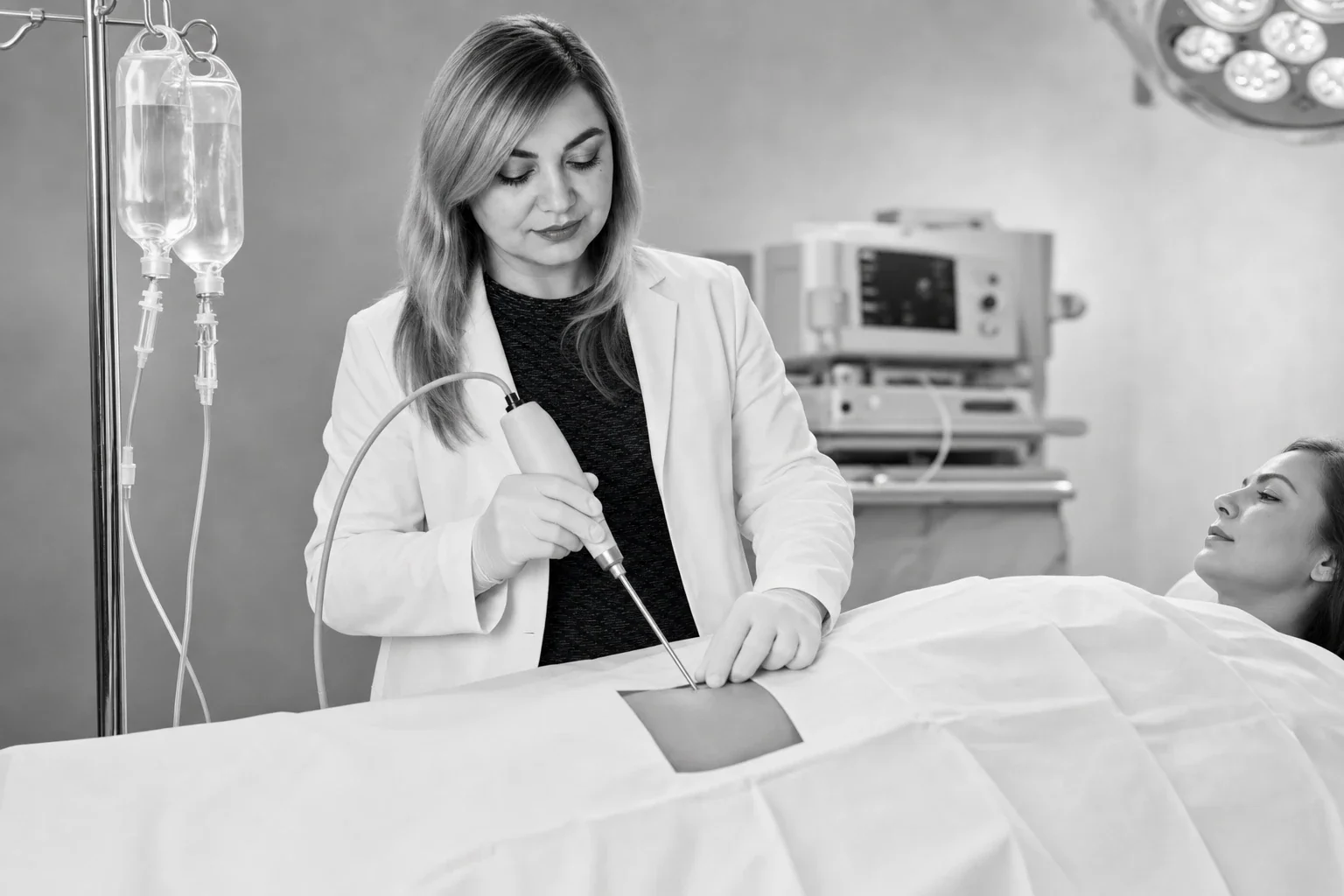
Awake LiposuctionClients

HD Liposuction + BBL
Age: 45
#SS001
View Details
HD Lipo 360
Age: 51
#SS002
View Details
HD Lipo 360
Age: 34
#SS003
View Details
HD Liposuction + Fat Transfer
Age: 37
#SS004
View Details
HD Liposuction + BBL
Age: 32
#SS005
View Details
HD Liposuction + BBL
Age: 34
#SS006
View Details
Tummy Tuck + HD Liposuction
Age: 22
#SS007
View Details
HD Liposuction
Age: 34
#SS008
View Details
HD Liposuction
Age: 23
#SS009
View Details
HD Liposuction + BBL
Age: 33
#SS010
View Details
HD Liposuction + Renuvion
Age: 41
#SS011
View Details
Awake Liposuction
Age: 33
#SS012
View Details
Renuvion
Age: 53
#SS013
View Details
HD Lipo 360
Age: 31
#SS014
View Details
Lipo Revision
Age: 56
#SS015
View Details
HD Lipo 360
Age: 35
#SS021
View Details
HD Lipo 360
Age: 23
#SS032
View Details
HD Liposuction + Fat Transfer
Age: 25
#SS037
View Details
HD Liposuction
Age: 48
#SS038
View Details
Liposuction
Age: 40
#SS071
View Details
HD Liposuction
Age: 56
#SS083
View Details
HD Liposuction + Abdominal Etching
Age: 46
#SS092
View Details
HD Liposuction + BBL
Age: 23
#SS097
View Details
HD Lipo 360
Age: 41
#SS099
View Details
HD Liposuction + Tummy Tuck
Age: 44
#SS104
View Details
HD Lipo 360
Age: 48
#SS112
View Details
HD Liposuction
Age: 35
#SS116
View Details
HD Liposuction
Age: 33
#SS135
View Details
High Definition Liposuction
Age: 36
#SS152
View Details
High Definition Liposuction
Age: 50
#SS154
View Details
Breast
Age: 29
#SS172
View Details
High Definition Liposuction
Age: 49
#SS281
View Details
Tummy Tuck
Age: 52
#SS337
View Details
High Definition Liposuction
Age: 55
#SS339
View Details
Liposuction Revision
Age: 51
#SS341
View Details
Post Bariatric Surgery
Age: 45
#SS357
View Details
HD Lipo 360
Age: 28
#SS360
View Details
Tummy Tuck + HD Liposuction
Age: 34
#SS361
View Details
Tummy Tuck + HD Lipo
Age: 44
#SS379
View Details
Mommy Makeover + Tummy Tuck + HD Lipo + BBL + Breast Lift
Age: 39
#SS380
View DetailsAwake liposuction was limited to small areas
This operation was reserved for patients who wanted a modest reduction in a fat pocket. Cases stayed conservative: one localized area, or a few areas, treated at a time. The methods used while the patient stayed awake were tumescent liposuction, power-assisted liposuction, and laser liposuction, including the devices sold as Sonobello and Airsculpt.
Those awake liposuction methods clear fat from the middle of the fat layer, and from that compartment only. That limit is easy to miss. The middle compartment is the most generous of the three, so removing it still changes the outer shape. It does not, by itself, create a high-definition contour.
The fat layer is divided into three compartments.
- Superficial, just under the skin.
- Middle, the thickest compartment.
- Deep, lying on the muscle lining.
Removal limited to the middle compartment has been well tolerated under local anesthetic because that layer has a low density of pain fibers. The contour improves. The downside is the result that is left behind: middle-layer removal does not produce the shadows or the muscle highlights of high-definition work.
High-definition contour is a different job than awake liposuction of the middle layer
High-definition results are dramatic and still natural. They require fat removal from the superficial layer, the middle layer, and the deep layer. Only that full-thickness removal creates finer shadows and uncovers muscle highlights that traditional liposuction does not. High-definition liposuction is the operation built for that three-layer removal.
Traditional cannulas and laser cannulas give poor access to the superficial and deep layers. Surgeons also avoided those layers during awake surgery because nerve fibers are denser there, and working in them was significantly uncomfortable.
Why the outer and deep fat hurt under local anesthetic
Pain fibers fire when corpuscles in the fat are manipulated. Those receptors sit in the highest density in two places.
- Directly underneath the skin, in the superficial fat compartment.
- Overlying the muscle lining, in the deep fat compartment.
High-definition work has to enter both of those compartments, so for a long time it stayed in the operating room, where general anesthesia could keep the patient fully asleep. Traditional and laser liposuction were the procedures popularized as awake surgery under local anesthetic, and they stayed in the middle layer. Four changes in tools and in the local plan are what make high-definition awake liposuction possible.
- VASER liposuction, used to remove fat from all three layers.
- Renuvion J plasma, a non-excisional skin-tightening tool.
- Modified laughing gas, which is nitrous oxide, added to the local anesthetic plan.
- A change in how the tumescent solution is mixed and infiltrated.
The point of those four changes is comfort while the superficial and deep layers are still treated. The patient is not put under general anesthesia in order to tolerate them.
VASER is what lets awake liposuction enter all three layers
VASER liposuction adds ultrasound energy to the cannula. The ultrasound teases fat cells off the vessels and nerves in the soft tissue before the fat is suctioned. Because the fat is freed first, suction takes less mechanical effort, causes less tissue trauma, and is less painful.
That sequence is why comprehensive fat removal can be awake liposuction rather than a case that requires general anesthesia. Ultrasound also gives some skin tightening. It does not replace a plan for skin that will not retract after a large volume is gone.

Renuvion J plasma after the fat is removed
Taking fat from all three layers leaves more loose skin than middle-layer liposuction does. Renuvion J plasma is used for that laxity. It heats collagen on the undersurface of the skin and along the structural cables that run from the skin to the muscle lining. The collagen shortens, in the same way a shrink wrap tightens around a surface.
Heat also triggers pain fibers. While the patient is wide awake, that pain limits how much thermal energy can be applied. VASER supplies some tightening, and Renuvion supplies more, so the surface is less likely to look rippled when the fat is gone. Age and the amount of fat removed still set a limit on how much skin will retract. When the skin will not come back, the surgeon presents another way to handle the excess so the contour is not a disappointment.
Laughing gas is metered during awake liposuction
Advancements in laughing-gas delivery are what allow the high-definition portion to be finished while the patient is awake. The patient can have that contour and still avoid general anesthesia.
Nitrous oxide gives a broad anesthetic effect and a sense of euphoria by stimulating dopamine centers. Pure nitrous can sedate a patient so deeply that the state approaches general anesthesia. The administration used here keeps the exposure lighter while pain control still holds.
- Nitrous is mixed with oxygen at a 50 percent ratio. The lower potency is what lets the patient remain alert.
- The gas is given through a proprietary nozzle that fits in the patient's mouth.
The shape of the nozzle is what makes the dose self-controlled. The 50 percent mix and that mouthpiece together are called Pronox. The patient holds the nozzle and breathes when more sedation is wanted. As sedation deepens, the nozzle falls out of the mouth and intake stops. Oversedation is avoided, and relief from discomfort is available through the case.
The modified tumescent solution
Local anesthetic is supplemented with a modified tumescent solution. The fluid is injected into the soft tissue, and it has two jobs.
- It numbs pain fibers with lidocaine. In this modified mix the lidocaine is raised from 500 mg to 800 mg per liter of fluid so the numbing is stronger.
- An antihypertensive medication is added so vessels constrict. Constriction lowers the chance of vessel injury and of blood oozing into the tissue.
Blood in the tissues matters because blood products inflame the area and irritate nerve fibers. The antihypertensive addition is there to limit that oozing and to protect comfort. A standard surgical reference describes a wetting solution that numbs fat and constricts vessels before suction. This fluid is mixed for those same two jobs, with the lidocaine set at 500 mg to 800 mg per liter and with the vessel medication added as above.
The American Society of Plastic Surgeons describes liposuction as suction of fat through a cannula and lists local anesthesia among the ways the procedure is performed. Here the local plan is the tumescent fluid, the nitrous the patient controls, and the ultrasound that frees fat before it is removed.
Cost and fat transfer after the fat is removed
Patients choose awake liposuction to avoid general anesthesia and the fees tied to it. The total still varies with how many areas are treated and how long the case runs. The consistent savings, from skipping an anesthesiologist, a facility operating room, primary doctor visits, and medical testing, are between $4,000 and $5,000.
A Brazilian butt lift uses the removed fat as a graft. The transferred fat has to grow a new blood supply or it will not stay. Not every cell remains. A good result is at least 70 percent retention, and an excellent result is over 80 percent.
Traditional liposuction and laser liposuction, including Airsculpt, damage fat cells. Those methods were built to remove fat, not to keep cells healthy for transfer. The force or the heat used to break the fat down limits how much of the graft survives. A substantial share of buttock volume can disappear within weeks. Some surgeons overfill the buttocks in the hope that what remains will still be acceptable.
When the fat is taken with VASER ultrasound, a surgeon can harvest healthier fat and can take more of it than with traditional or laser methods. A buttock graft needs a fairly large amount of healthy fat for the volume and projection being planned. Some cell damage is inevitable with any liposuction. VASER is the gentlest fat-preserving method among the techniques compared here, and it is the harvest used when a Brazilian butt lift is part of the plan.
Awake liposuction frequently asked questions
The fee still depends on the extent and the length of the procedure. The consistent savings are between $4,000 and $5,000, because the plan does not include an anesthesiologist, a facility operating room, primary doctor visits, or medical testing. The patient also remains conscious, which is the other reason people ask to avoid general anesthesia.
Many surgeons have not taken up the changes in how nitrous is delivered. A controlled mix of oxygen and gas supplies the extra sedation patients need for comfort, along with a mild euphoria. At a 50 percent mix, and with a mouthpiece that drops away as sedation deepens, the patient is less likely to be carried into a general-anesthetic level of sleep.
Yes, when the fat is taken with VASER ultrasound-assisted liposuction. No, when the fat is taken with traditional liposuction or with laser liposuction such as Airsculpt, because those methods damage the cells a graft needs. The transferred fat still has to develop a blood supply. A good retention result is at least 70 percent, and an excellent result is over 80 percent.
Serving Los Angeles & Orange County
Explore locations near you, then book a consult in Santa Monica or plan surgery in Laguna Beach.
Related reading
Continue with guides on this topic, or jump to a procedure, cost, or location page.
- 360 Liposuction ResultsLiposuction
- Airsculpt Liposuction vs VASER HD LipoLiposuction
- Awake Liposuction CostGeneral
- Awake Liposuction Los AngelesGeneral
- Benefits of Awake LiposuctionGeneral
- Benefits of VASER LiposuctionLiposuction
Source: /awake-liposuction/